

Swimming is a valuable life skill, and knowing when to start baby swim lessons can make a big difference in your child’s development. Starting lessons early offers many benefits, but it’s important to consider the right timing. This guide explores the advantages of early swimming, safety considerations, the ideal age to begin, how to choose the best program, and tips for preparing both you and your baby for swim lessons.
The Benefits of Early Swimming
Introducing your baby to swimming early can be highly beneficial. Babies who start swimming at a young age often develop better motor skills and coordination. Early exposure to water also helps in building positive associations with swimming, which can foster a lifelong love for the activity.
In addition to physical benefits, swimming can support cognitive development. The sensory experiences of water and interaction with instructors can stimulate brain development and support learning. Babies who participate in swimming lessons may also experience better sleep and appetite patterns.
Early swim lessons can also help establish a foundation for water safety. Although no lesson can guarantee safety, starting early can improve your baby’s comfort and confidence in the water, which is crucial for preventing drowning.
Safety Considerations
Safety is crucial in baby swim lessons. Ensure the program you choose follows strict safety standards and is taught by professional instructors with experience in coaching babies and children. The swimming environment should be clean, with a pool heated to a comfortable temperature, and proper safety measures in place, such as non-slip surfaces and secure pool barriers.
Always supervise your baby closely, even in structured classes. Familiarise yourself with water safety guidelines to ensure you and your baby adhere to them.
When To Start Baby Swim Lessons: Ideal Age
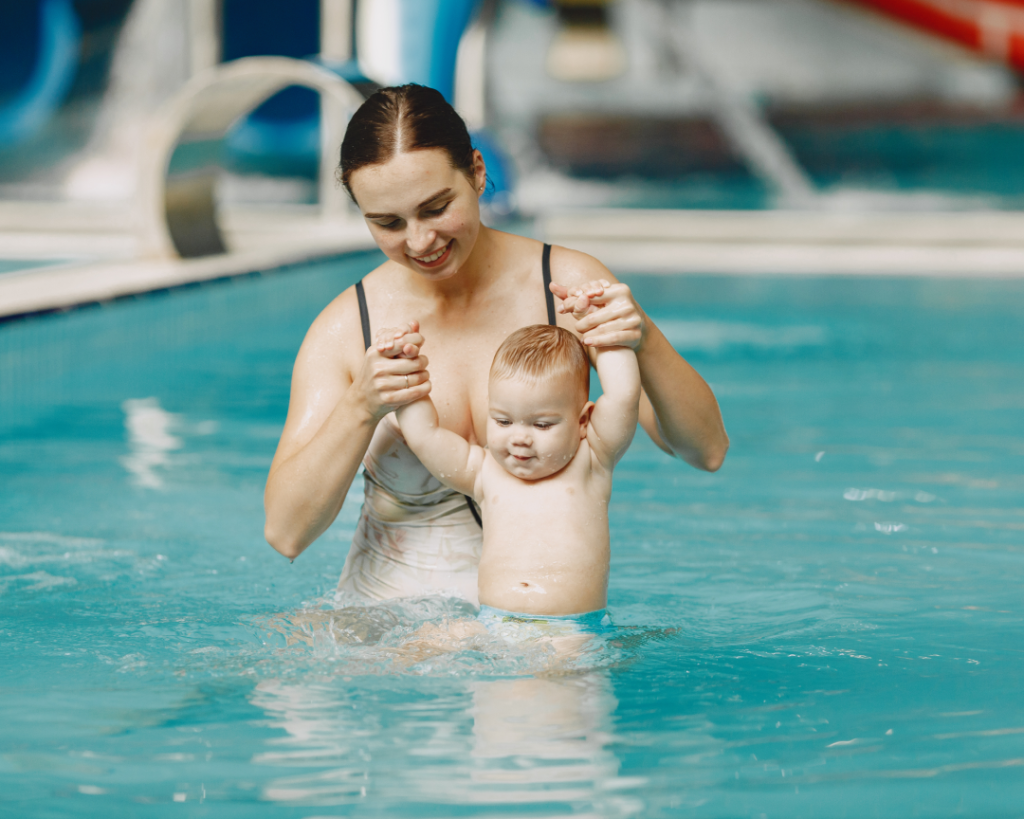
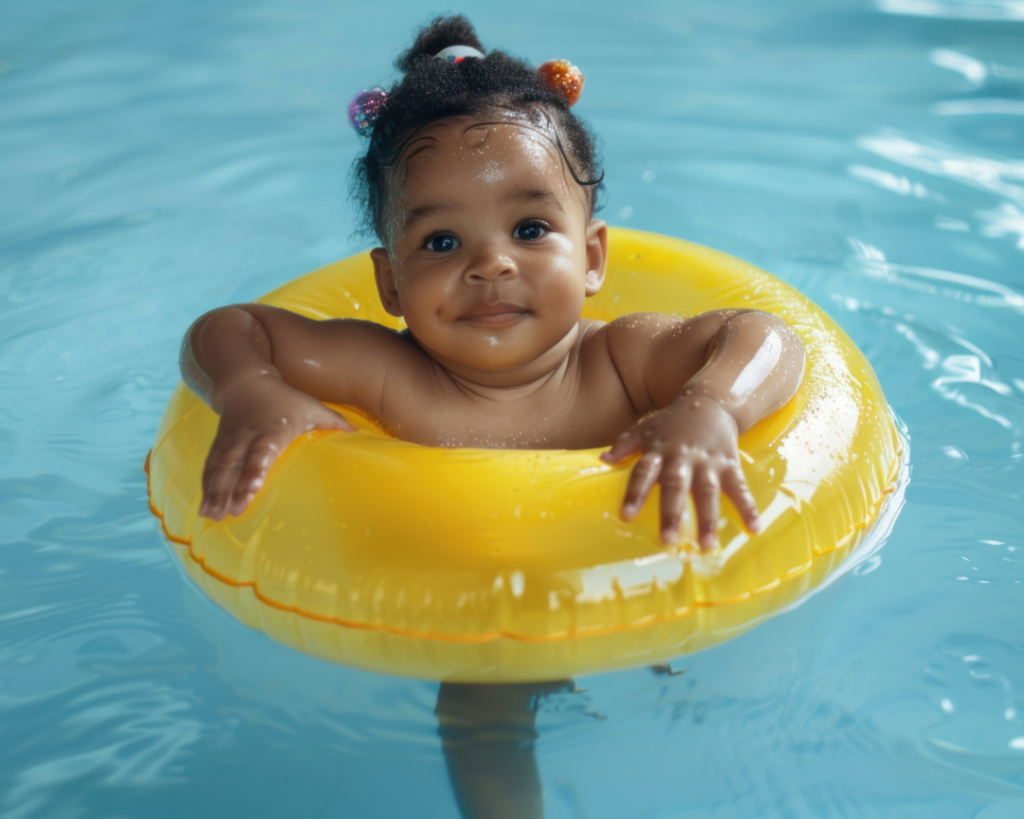
The ideal age to begin baby swim lessons typically starts from 18 months. By this age, babies have better head and neck control and are generally more comfortable in the water. These classes aim to build comfort in the water and strengthen the parent-child bond rather than focusing on formal swimming techniques.
If you’re unsure about when to start baby swim lessons, or whether your baby is ready, have a chat with your paediatrician. They can give you the best advice based on your baby’s health and development.
Choosing the Right Swimming Program
When selecting a swimming program, look for one with a structured curriculum designed for infants. The program should focus on water safety, comfort, and gradually introduce swimming skills in a fun and engaging way.
Check that the instructors are qualified and have experience with teaching infants. Smaller class sizes are often better because they allow for more personal attention and a better learning experience.
Make sure the program fits into your schedule and is conveniently located so you can attend regularly – consistency is key to making progress.
Preparing Your Baby for Lessons
Preparing your baby for swim lessons involves a few simple steps:
- Get Your Baby Comfortable with Water: Start by gently bathing your baby or using a small pool to help them get used to being in water.
- Practice Water Safety: Teach your baby basic water safety, like getting used to having water on their face, through gentle bath play.
- Equip Properly: Ensure you have the right gear, including swim diapers and a comfortable swimsuit. Swim caps and goggles can also be helpful.
- Create a Positive Experience: Approach swim lessons with enthusiasm and relaxation to help your baby associate the experience with fun.
Tips for Parents
Your involvement can greatly impact your baby’s swim lesson experience:
- Be Encouraging: Show enthusiasm and encouragement to help your baby feel at ease.
- Stay Patient: Progress may be gradual, so be patient and supportive.
- Communicate with the Instructor: Discuss any concerns with the instructor to tailor the experience to your baby’s needs.
- Engage Actively: Participate in the lessons to reinforce bonding and comfort.
- Maintain Consistency: Regular attendance is crucial for making progress, so keep a consistent schedule.
Conclusion
Starting baby swim lessons can be a rewarding experience. By understanding the benefits, ensuring safety, choosing the right program, and preparing properly, you can help your baby develop important skills and confidence in the water. Enjoy the process and have fun introducing your little one to the joys of swimming! Contact us to get started.